
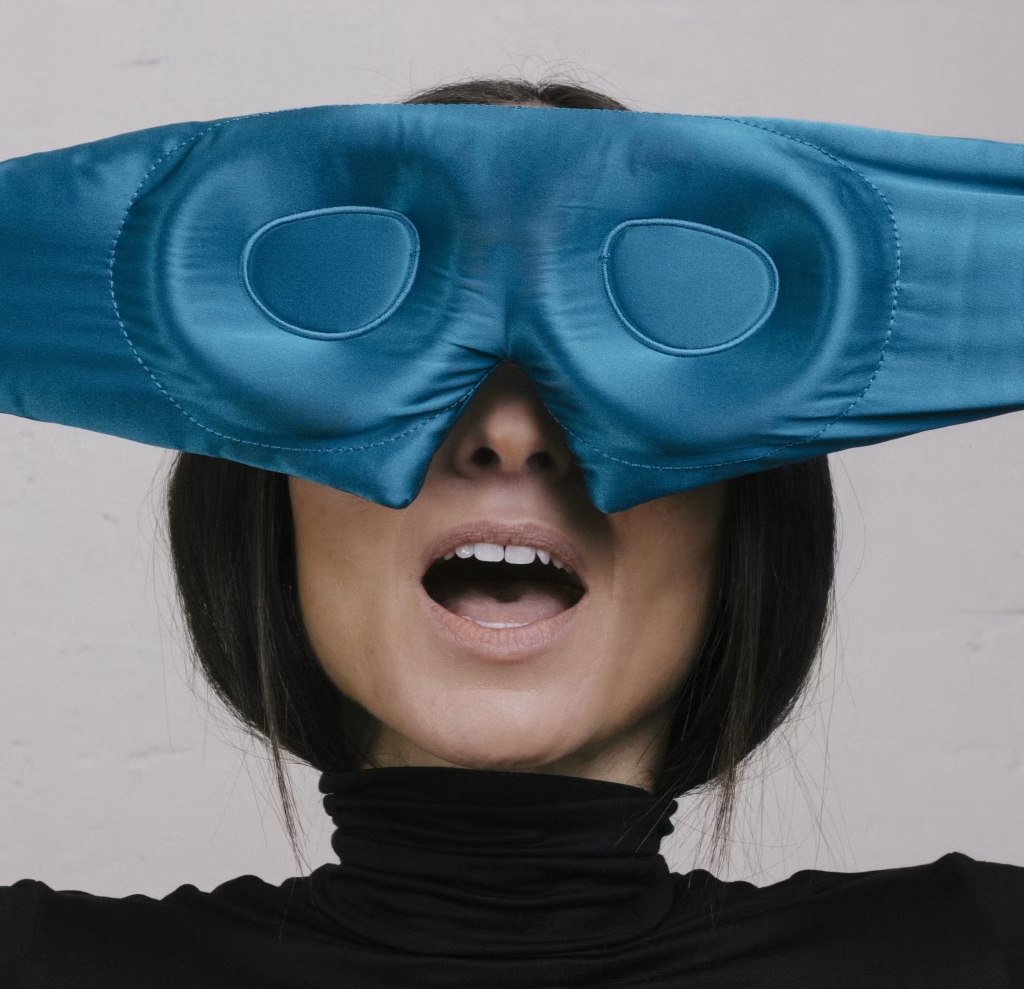
An eye mask for lash extensions has a specialised, zero-contact design that prevents weakening of the adhesive used to attach the extensions.
Cyanoacrylate adhesive bonds that hold extensions to natural lashes weaken from compression and friction. The weight on an eyelash extension puts 3x the normal stress on natural lash follicles. We also unconsciously rub our eyes while asleep, creating pressure and friction. These combined mechanisms lead to the premature loss of extensions. Luckily, they can be minimised with the right sleep mask.
Standard eye masks, even when made of silk, can compress and snag individual extensions. They can even catch natural lashes.
Regular cotton sleep masks generate micro-friction with every head movement.
Specialised eyelash protecting masks from other companies often shift pressure away from eyelashes and on to the eyebrows.
The Opti Laboratories sleep mask is the first in the world that protects the eyelashes and eyebrows. If you care about your lashes and brows then you will want to protect them.
Contoured eye cavities must be at least 12mm deep to prevent eyelashes coming into contact with the mask while you are asleep. This depth has been chosen to accommodate even the largest of extensions without compression.
Ergonomic nose bridge design stops downward mask migration during sleep, keeping the mask over both the lashes and the brows to protect them. Flat designs allows masks to ride up or down, creating friction against extensions.
Most eyelash protecting masks add pressure to the eyebrows, damaging them. Our unique design based on the anatomy of the face distributes weight correctly.
The Opti Sleep Mask addresses these issues with doctor led design. Deep contoured cavities tested with long extensions provide the deepest protection available.
| Design Feature | Standard Mask | Extension-Specific Mask |
|---|---|---|
| Eye cavity depth | 2-4mm at best | 8-12mm |
| Interior seams facing eyes | Multiple | Seamless |
| Strap adjustment | Fixed elastic, often narrow | Adjustable, wide distribution |
| Material contact | Direct fabric contact | Zero lash or brow contact |
Proper weight distribution prevents the mask from creating pressure points that damage delicate extension adhesive bonds.

The OptiBrow Sleep Mask uses anatomical design principles to solve extension protection problems. Specially contoured cavities accommodate the longest extensions without contact.
Ethically sourced mulberry silk prevents adhesive degradation from friction. The smooth fibres create minimal surface resistance.
The adjustable wide band distributes pressure evenly around the head, unlike a fine elastic band. This prevents the concentrated force that tugs on your scalp hair.
Developed by Dr Tom Walker, a medical doctor with an anatomy degree, the mask addresses specific physiological challenges. His dual expertise ensures both comfort and protection.
The design eliminates common failure points found in standard sleep masks. Zero interior seams prevent snagging. Precise nose bridge contours stops migration upwards or down the face.
The anatomical approach considers facial bone structure, sleep movement patterns, and extension weight distribution for comprehensive protection.
Fabric friction coefficient is a measure of surface resistance that determines adhesive stress levels during sleep movement. Put more simply, it is a measure of how easily a hair would slide over material.
Cotton’s rough texture generates micro-friction. Extensions shed faster than with silk due to cotton’s irregular fibre structure.
Satin offers moderate protection but lacks silk’s natural temperature regulation. Heat buildup from synthetic satin causes sweat accumulation that degrades adhesive.
Flannel and terry cloth fabrics create maximum friction damage. Their looped or brushed surfaces can catch natural eyelashes as well as individual extensions.
Bamboo fibres provide smooth contact but still lack silk’s smooth structure.
Linen’s irregular weave creates snag points despite its natural origin. The texture variations catch extension tips during normal sleep movement.
| Fabric Type | Friction Coefficient | Extension Lifespan | Temperature Regulation |
|---|---|---|---|
| Cotton | 0.8 | 50% reduction | Poor |
| Synthetic satin | 0.6 | 30% reduction | Poor |
| Bamboo | 0.4 | 20% reduction | Moderate |
| Mulberry silk | 0.2 | Optimal | Excellent |
The National Sleep Foundation confirms that fabric choice significantly impacts sleep quality and hair health.
Silk protein fibres reduce friction coefficient to 0.2 vs cotton’s 0.8, creating minimal resistance during sleep movement.
Natural temperature regulation prevents sweat accumulation that weakens adhesive bonds. Silk’s protein structure wicks moisture while maintaining comfortable skin temperature.
Mulberry silk costs more than alternatives but extensions last longer with proper protection. The investment pays for itself through reduced visits to your beautician.
Silk is more gentle for the delicate tissue around the eye. The smooth material reduces mechanical stress on both extensions and natural skin.
Sericin protein coating on silk fibres provides natural antimicrobial protection. This prevents bacterial growth that can cause extension loss through irritation to the skin around the follicle.
Silk maintains its smooth surface through repeated washing cycles. Cotton becomes rougher with use, while silk retains its protective properties.
Silk is naturally hypoallergenic which makes it suitable for clients with sensitivities or compromised skin barriers.
Damaged extensions require immediate professional removal to prevent further natural lash trauma. Never attempt self-removal with oils or pulling. Professional removal prevents natural lash damage that takes months to repair.
Natural lash recovery takes 16 weeks following proper extension removal, to allow all of the hairs to complete an eyelash growth cycle.
During recovery, focus on lash health rather than immediate replacement. Conditioning treatments prepare follicles for future extensions.
Try to minimise mascara use and eye makeup removers during the first few days post-removal. This is to reduce stress and irritation of the area.
The Opti Growth Treatment provides clinically proven recovery support. 25% length increase and 106% thickness boost can be achieved during the 16 week growth cycle, and it can also be used with extensions. We have had a lot of clients stop extensions when their natural lashes grow as long as the extensions they were wearing.
Prolonged use of extensions can damage the hairs, due to eyelash traction alopecia. If using them for special occasions then this is not a risk, but if you are using them year round then it is worth considering a 4-week break between extension sets to allow natural lashes to strengthen. This prevents cumulative damage from repeated application cycles.
If you are investing in your eyelashes with extensions and want to get the most out of them, then consider protecting your investment while you sleep. Proper protection keeps them looking their best for longer and also has the knock on effect of reducing pressure on your brows, helping them look their best. The Opti Laboratories Sleep Mask provides the best possible protection due to our unique design.
Start protection from night one after application. Early prevention prevents the damage that accumulates over the extension cycle.

Look after your lashes & brows overnight.
£65.00
Ideal for
✔ Eyelash extension protection
✔ Brow lamination maximisation
✔ Tattoo or microblading recovery
✔ Side sleepers
✔ Light sleepers that need complete blackout
✔ Protecting natural eyelashes and eyebrows while you sleep